CALENDAR
April 2026
Our Legacy
Calendar
April 2026
Welcome to Our Legacy Calendar — a monthly newsletter where we take a step aside from the everyday and dive deeper into the ideas, people, and processes that shape our world. Each month we share articles, interviews, and conversations with friends and collaborators, alongside personal reflections, recommendations, and small discoveries worth passing on. Think of it as an ongoing archive: a space to slow down, to read, and to connect with the voices and perspectives that inspire us.
George Rouy and Kingsley Ifill by Rahim Attarzadeh
What to write about?
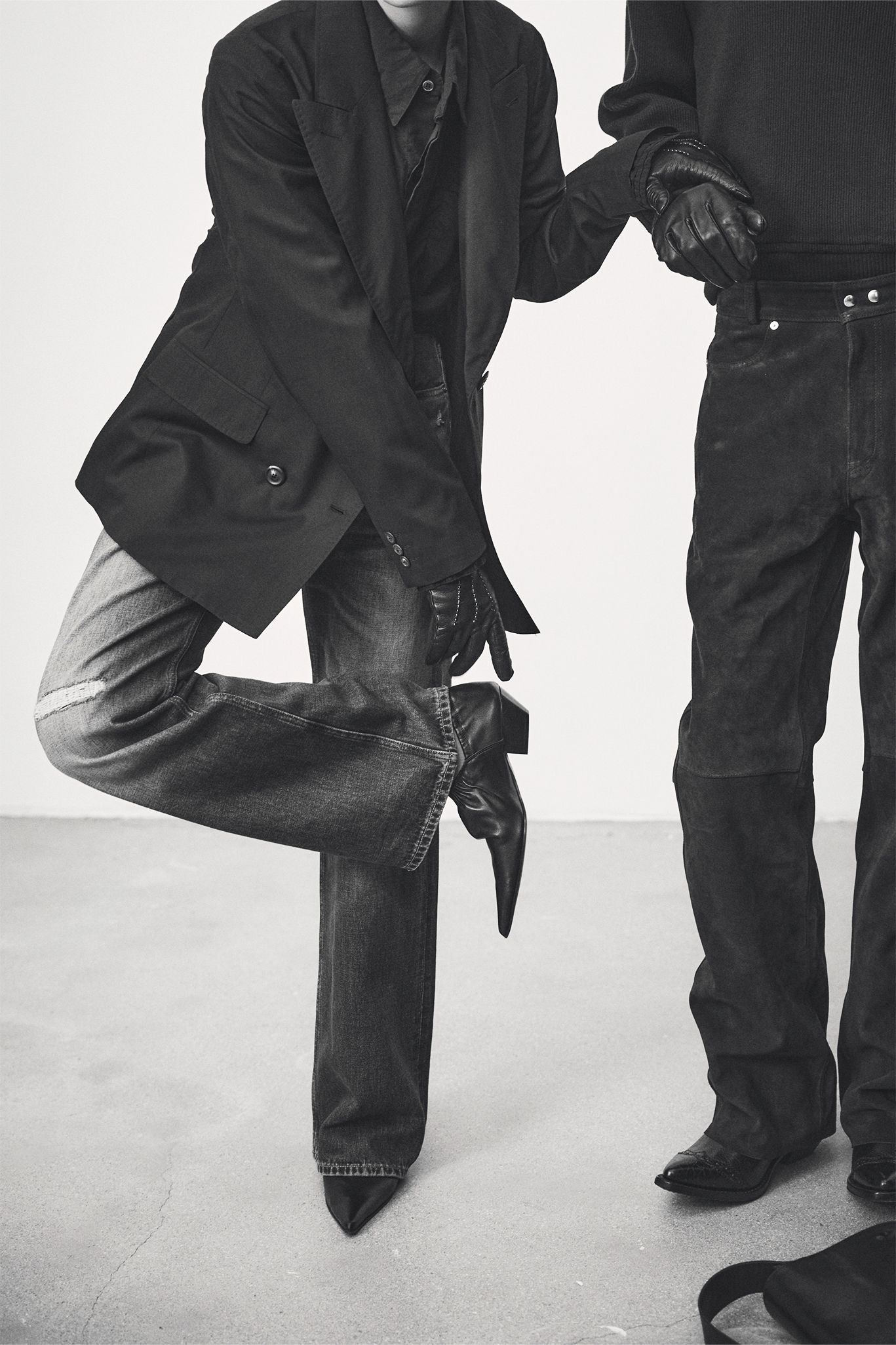
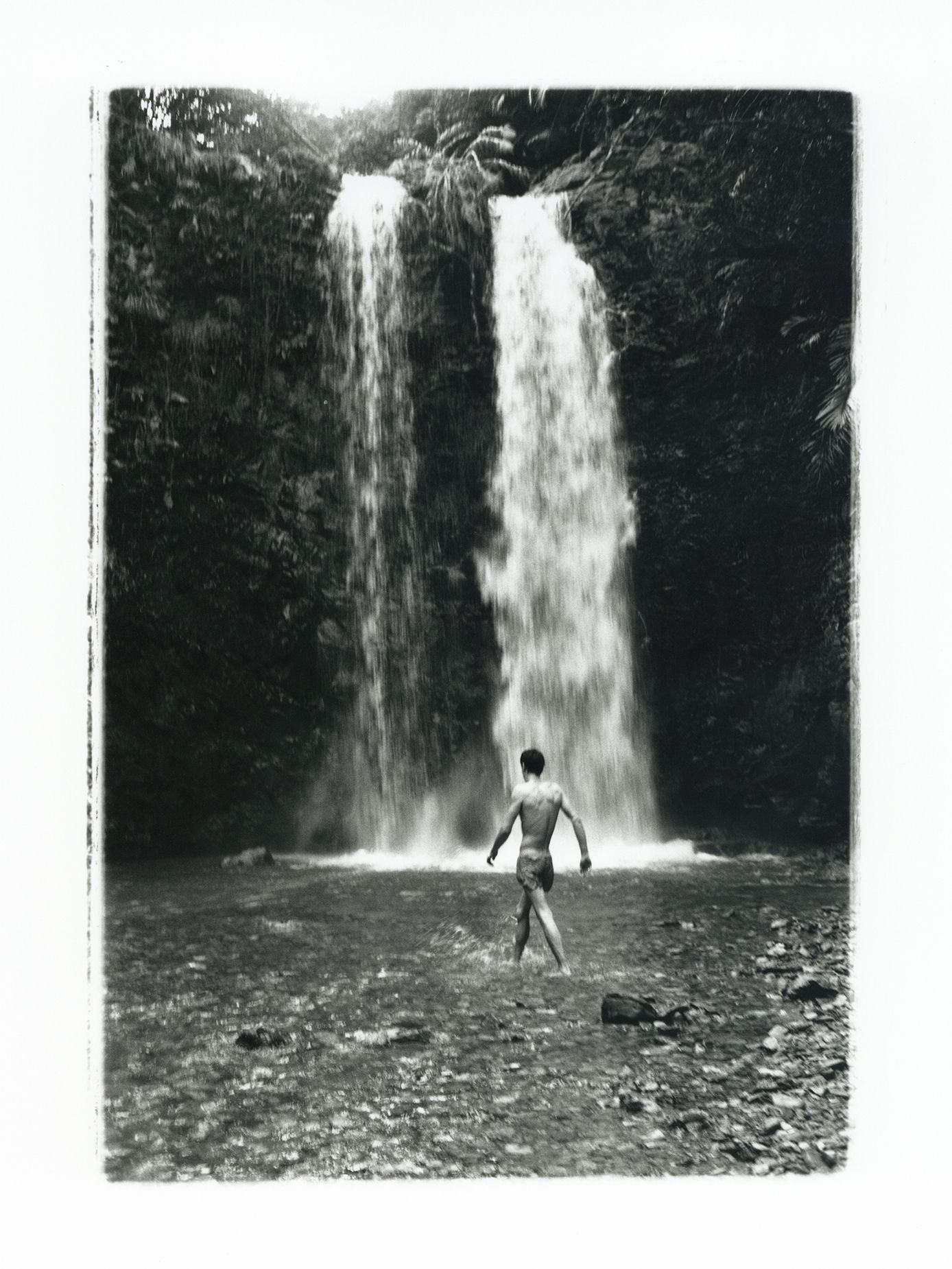
This time, the objective feels indicative. Our Legacy’s Spring Summer 2026 campaign entitled George by Kingsley Ifill (I think) provokes people to lean beyond conventional fashion imagery as they are displayed in the brand’s Berlin store for Gallery Weekend, opening on April 30th.
What about the reaction I felt when I saw my friend’s images of my other friend on a recent trip to Japan? The enforced state of isolation, or the tangible sense of resistance evoked in these images could probably teach fashion brands a thing or two about how to create a singular and striking framework of desirability.
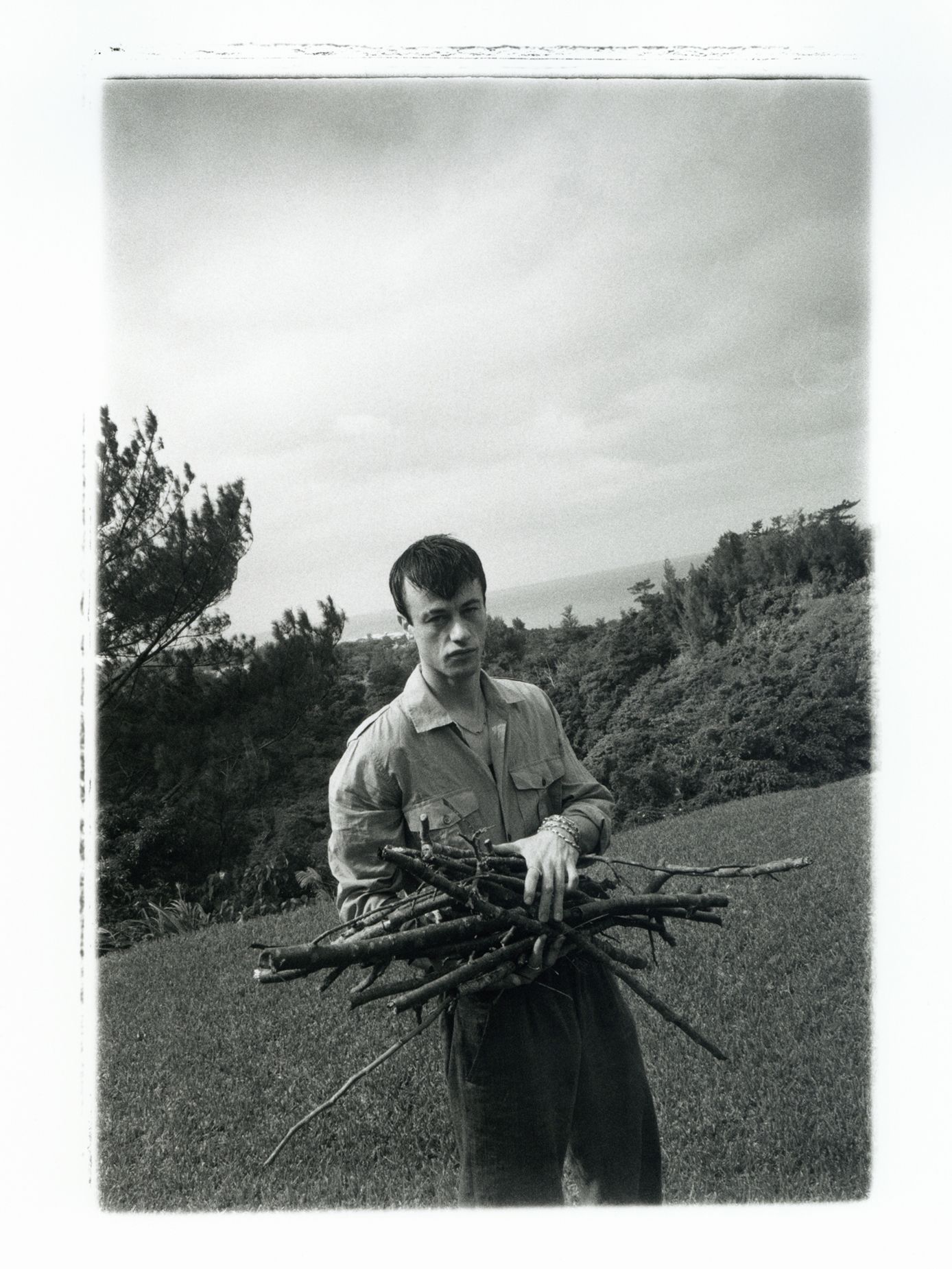
Yes, George is wearing Our Legacy and yes he looks great. But that’s not the point or purpose of this exercise.
It’s more probable to not work in the fashion industry and be really stylish. Junya Watanabe once said to me: “I am not a fashionable person.” Irony, Junya? You don’t say. Style is everywhere you look and it’s not necessarily on the runway.
I’ve seen it in Jamaica (on a recent trip with Kingsley), where pockets are far from deep but the looks are as fantastic as they are fervent. In Kingston, the ladies wrap their bodies in those fabulous print fabrics (oddly I think some of these are made in Holland), and often they wrap their heads to match. Rudeboy or “Rudie” culture is still prevalent amongst the guys and it’s still a great look. The print may be glamorised in the pages of fashion media, but the feeling remains timeless.
Once on a trip to Dakar years ago, I even saw one woman dressed totally in fabric printed with the logo of 7-Eleven - it was the most “Pop Art” thing I’ve ever seen. All around Dakar you see kids dressed in clothes that convey their romance with America and they have fantastic style. They understand color and gesture, poise and posture, freedom and exoticism.
Then there’s an artist’s relationship with clothing and application. Recently seeing Tamra Davis’s documentary The Radiant Child vividly recalled Jean-Michel Basquiat’s fantastic sense of style. He has it as a teen with a blond half-Mohawk, wearing a third-hand Air Force jumpsuit and dead banker’s cap toe shoes, having no fixed address. He could pick up a change of clothes just by making a wish. Without a dime he projected nobility. And we see an extraordinary progression of self-expression as success sets in and he goes through his haute-thrift shop phase all the way to ritzy and avant-garde designer duds. The attitude stays the same but the look acquires subtlety and seasoning. The dreadlocks evolve; they are not Rasta, but his own twist on “natty”, a sort of dread-mullet mutating into baroque antler antennae, then into a crown of thorns. He discovers expensive European suits but treats them like coveralls, splashing them with the colored shrapnel of his paintings, treating Armani like Dickies, Versace like Sears.
Basquiat put a shirt, jacket and pants together like it would conjure the weather or influence the next day’s headlines. With a paisley tie eccentrically tied over a plaid shirt under a tweed jacket he worked colours and textures. His taste was a signature, and in every photograph he’s perfect, outside time and fashion, an eternal aristocrat. To watch him in a pattern, like a tartan or kente cloth, is to understand the reasoning behind the Celtic system of colors. Colors represented knowledge. Only a king could wear seven colors, while a poet of the highest order could wear six. He could wear whatever he wanted, and as he worked and traveled and shopped everywhere with pockets full of cash he moved beyond the realm of haberdashery into the palace of the imagination. And then he discovers the artistry of the Japanese designers, Rei Kawakubo and Comme des Garçons and Issey Miyake, and he wears their clothes the way a prince or a king wears his regalia. He appropriated fashion, taking a look and making it look like the Africa of the future; he could put on MC Hammer pants and look like an Ethiopian king, or he could wear a straw hat, even one that looked like an inverted waste paper basket, and make it look like a crown from the Upper Nile.
Jean-Michel Basquiat wore designer clothes but he was always the designer of his own look. He understood the magic of appearances. That’s precisely how George Rouy wears clothes. Whether it’s Giorgio Armani, Yohji Yamamoto or Our Legacy. The ease. The nonchalance. The decadence. Like beatnik punk, yes it’s fashion but no it’s not “fash-un.”
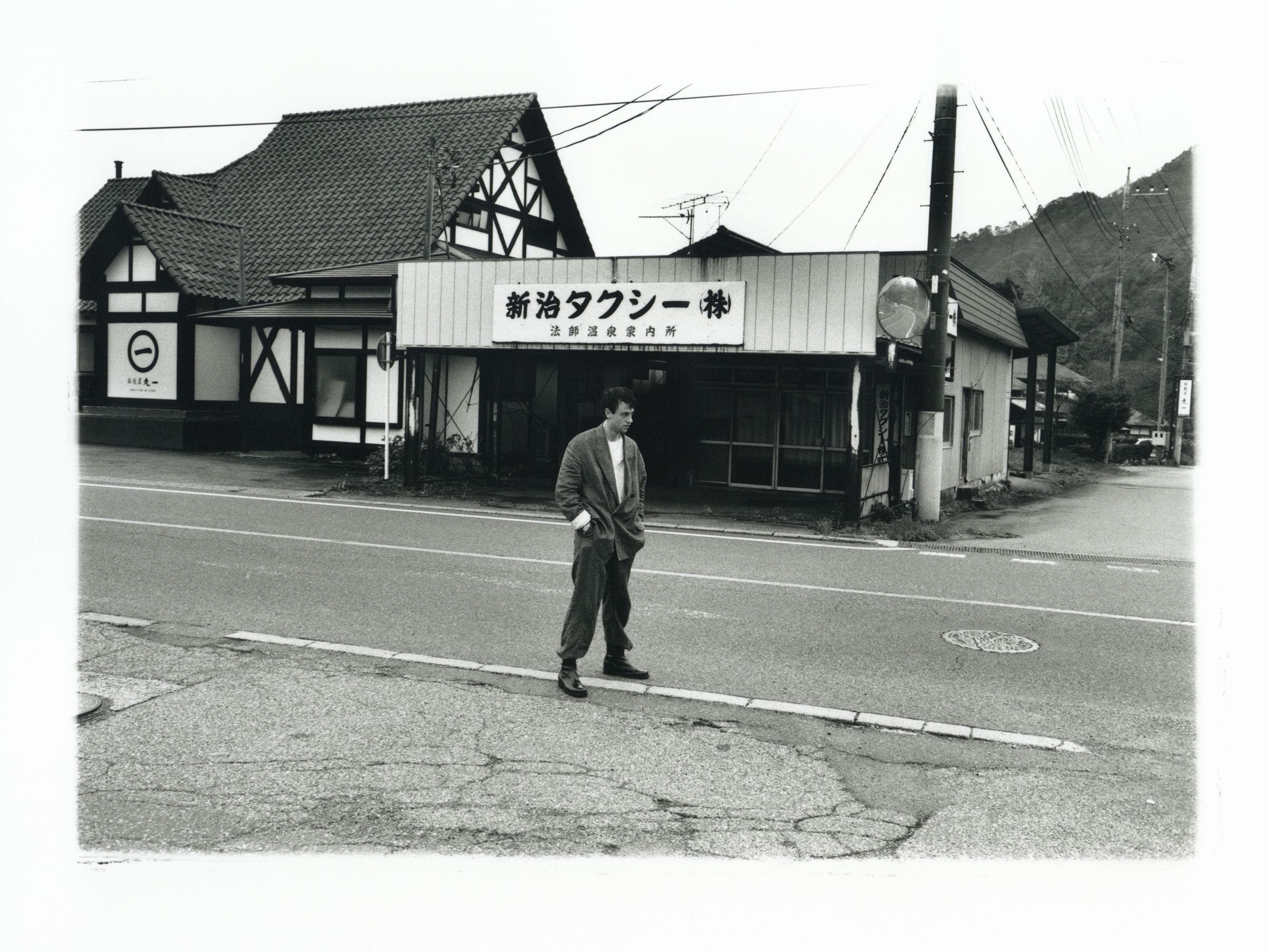
So, what of Kingsley’s images? Well, it’s like how George wears clothes. His process is anarchic in the way in which he doesn't adhere to a specific time or space, or season. I’ve had the pleasure of working with Kingsley more than once and his process brings out a deeper state of resistance within my own practice.
So, I wrote about that particular state of mind in words that go like this:
Don't be deceived when our revolution has been stamped out and they pat you paternally on the shoulder and say that there's no inequality worth speaking of and no more reason for fighting.
If you believe them they will be completely in charge, in their marble homes and granite banks, from which they rob the people of the world under the pretence of bringing them culture.
Watch out, for as soon as it pleases them they’ll send you out to protect their golden wars, whose weapons, rapidly developed by servile scientists, will become more and more deadly until they can, with a flick of the finger, tear a million of you to pieces.
Q&A
Rahim Attarzadeh: Talk to me about your recent trip to Japan. You’ve both been traveling there regularly over the past few years. What is it about Tokyo that you feel attracted to?
George Rouy: I think we first went to Japan just before the pandemic. It must’ve been in 2019. When I was a kid, I used to have these dreams and fantasies about America. It was a very romanticised idea of America, perhaps delusional even. But when I actually first went there, I was immediately disappointed. Then when I went to Japan, I felt that this is what my dreams were all about. It was this far away and distant land of extremity. From extreme noise to extreme silence. From the streets of Tokyo during the day to the nightlife scene over there. Everything just felt so enhanced. I find that there’s real beauty in this kind of contrast and intentional contradiction.
Kingsley Ifill: We’ve been going to Japan for the last few years at around the same time, usually as the year is coming to an end. Using the trip as something to look forward to after stints of hard work. It’s like the old idiom goes: “The light at the end of the tunnel.” Without any real intention or specific purpose, the visit usually consists of time split between the chaos of cities and the peaceful seclusion of a hot spring, or Onsen. It’s like what George was saying about contrast and contradiction. I’ve been to Tokyo a number of times now and still feel like I’ve not even touched the surface which is what I may find attractive about it. The continuous unfolding and discovery. Countless alternative pockets of life. The quiet consideration of daily life; a seemingly foreign concept to the familiar home of England.
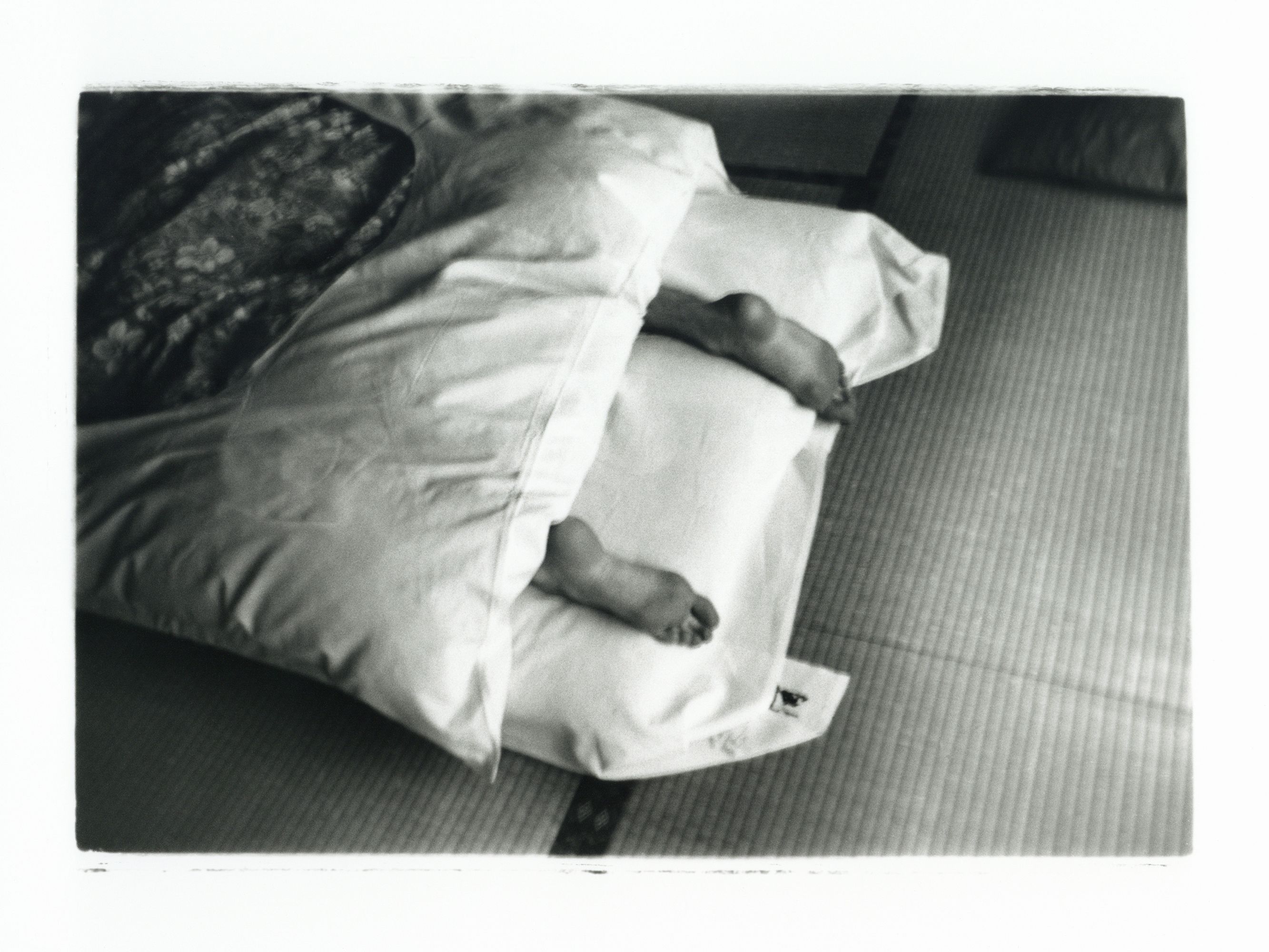
Rahim: What did you get up to besides bathing? I know you’ve bought a few old Comme, Yohji and Issey pieces. Things that you can’t really find in England. I always found that the Japanese had such an impeccable and authentic taste in vintage clothing. You can even find better British designer’s pieces over there from Christopher Bailey’s Burberry, Katherine Hamnett and Vivienne Westwood. There is a real sense of purpose in their curation. As if it's their duty, or gimu.
George: There’s a few vintage shops that I really like. Normally it’s the old Comme des Garçons or Yohji Yamamoto pieces for me. It’s funny when you buy the old stuff and then you go and see the current collection and it feels like a totally different label. Maybe that’s just because I like things that are old, that bear this sense of character to them. I was always drawn to Yohji for that reason. Even now, when you look at a Yohji piece in one of the stores, you can still feel his presence of hand in the designs. I always make the mistake of packing way too much. This last trip was different for me though. As we were traveling around a lot, we left our bags at the hotel storage facility and I had the same Our Legacy clothes on. This time, I did the “breaking-in” myself.
Kingsley: This trip we started in Tokyo. Hazy jet lag in a daydream, walking without intention, mornings in smoky cafes listening to jazz, sprinkling salt on boiled eggs, nights in tiny bars. Then off to an Onsen a few hours away, in the middle of nowhere, to cleanse the sins. Followed by a flight through a tropical cyclone to the island of Okinawa and back to Tokyo. Speaking of Issey Miyake, I picked up a suit jacket covered in some kind of delicate silk material that I tore a big hole in the back of the first night wearing it, sitting down and leaning back against a wall that had a nail sticking out in BYG bar in Shibuya. I’ve bought all sorts of Comme jackets over my trips there. At first glance, you think they’re all the same jacket but with Comme there are always these subtle nuances of differentiation. From a texture to a lapel.
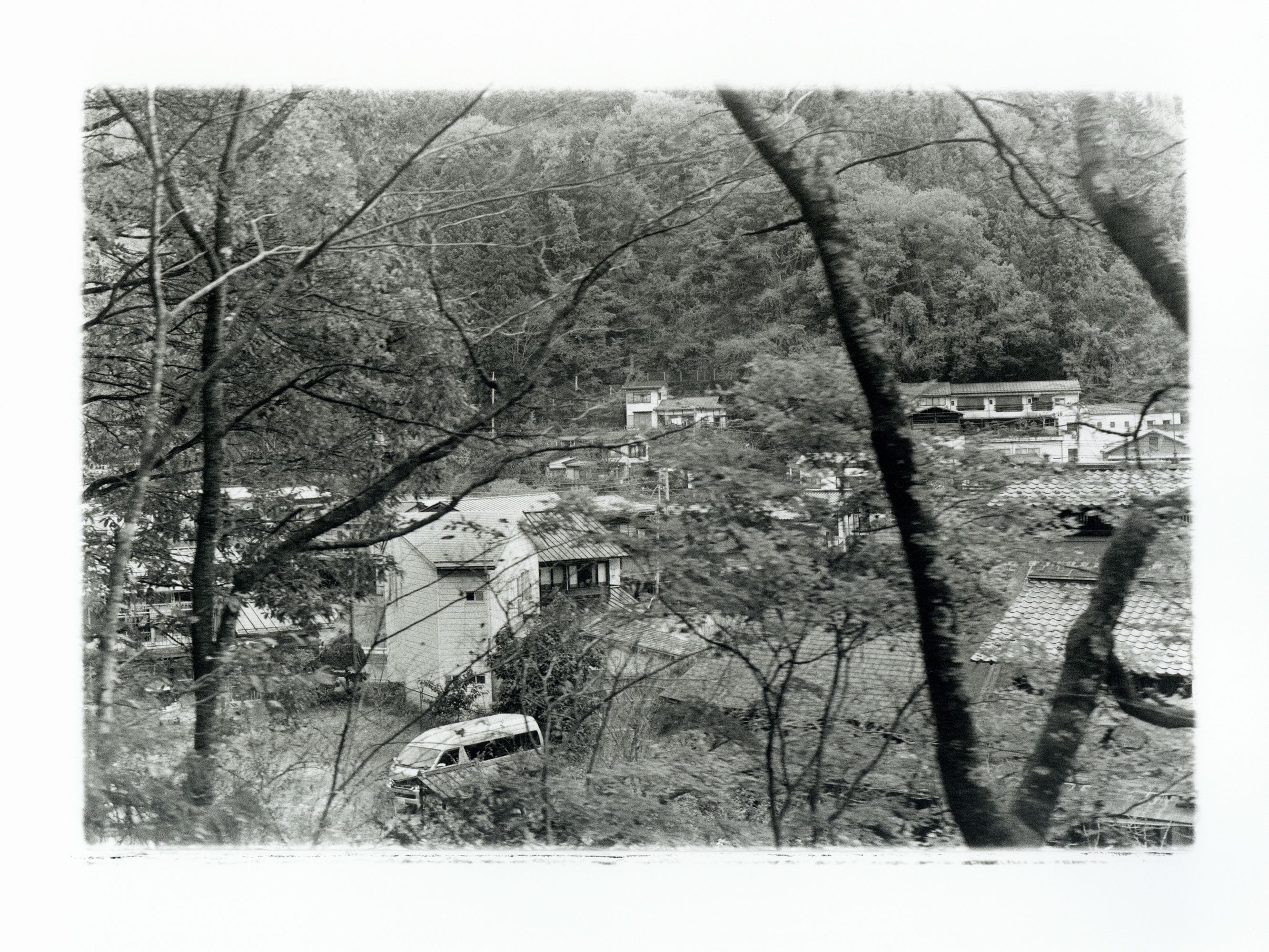
Rahim: Kingsley, that Issey jacket probably looks just as good after you damaged it. Like a slash on a canvas. If someone asks, you can say: “Sorry, the tailor was drunk.” George, what were you wearing from Our Legacy?
George: There was this crumpled linen suit, a few shirts and a pair of brown Camion boots. It’s the kind of suit you can wear every day. A bit like Giorgio Armani. If you get hot, or you’re going to the beach, just roll up the sleeves. I find there’s something quite anarchic in wearing boots on a suit on a beach. Like a juxtaposition.
Rahim: Do you have a favourite place in Tokyo?
Kingsley: Tough one. Nightingale and Kodaji in Golden Gai.
George: Every time it’s a bit different. There’s one place I particularly enjoy. It’s a Classical music bar in an old colonial building. It's got this amazing sound system and they always announce each song, as if performing a new record with a traditional microphone. It goes back to what I was saying about this contrast. There are the loud dive bars but I find there’s alwaysthis sense of chaos and harmony co-existing whenever we go there. You used to be able to smoke there. You can still smell the cigarettes. I’ve spent hours there, drawing, or reading, or listening to music.
Rahim: Did you discover anywhere new this time around?
George: I think there was one public bath in Golden Gai. The first thing Kingsley and I do when we arrive is go to the baths and the sauna. There are these different types of plunge pools there. It immediately alleviates the jet lag. It’s funny, now that we’ve gone a few times, I never feel like I’ve actually arrived until I’ve gone in the bath. I don’t know if it’s a form of meditation but maybe because we both have saunas at home, it’s a sensation we’re naturally drawn to.
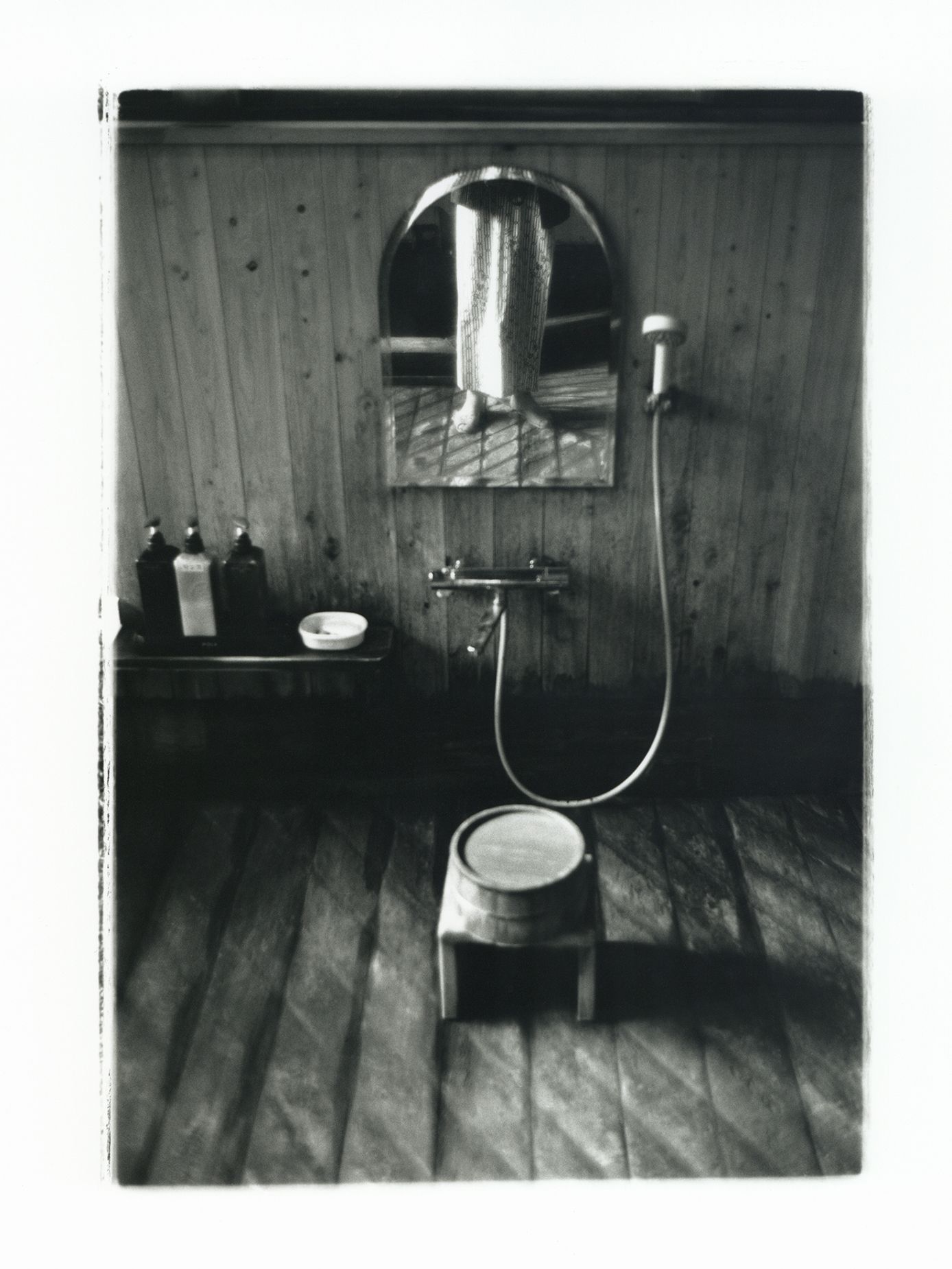
Rahim: Kingsley, an element of your work, particularly with these images, feels influenced by some of the most pioneering Japanese creatives. From the likes of Takashi Homma to those 1990s Comme des Garçons Transcending Gender campaigns by Keizi Kitajima. You capture mood, environment and nostalgia as much (if not more) as you do clothing. Is this something you’ve thought much about?
Kingsley: I don’t like to beat around the bush. My goal is always to find an emotion rather than an image. I grew up studying the Japanese pioneers of this such as Nakahira, Fukase, Suda, Hosoe, etc. And still do look at them as those that paved the way. Recently, I’ve been thinking about the time in which it takes to develop language and considering the possibilities that I may be trying to communicate. I don’t know if my photography is yet to form a language, therefore I’m using the tools currently at hand. The main one just so happens to be a camera. And clothing is simply a means to an end, or a step in that journey. Maybe next week I’ll be painting pictures of frogs or cooking soup from car tyres.
Rahim: George, can art be connected to an idea, or can it exist as form and experience, such as through these kinds of trips, without a specific narrative or meaning?
George: Absolutely. I think as someone who is often locked away in a studio, the ability to travel like this puts you in a completely different headspace that makes you yearn to be more creative but also more at ease with yourself and your various surroundings. Great art can come from dedication and discipline but importantly by being comfortable in your own skin.
Rahim: Do you think about your work and your process when you’re out there? Or do you just lock it all away temporarily?
George: I try to lock it away. I’m very conscious of the fact that when I shut the door, I shut it. By doing that, you can apply yourself to new experiences and new sensations. These then become part of your memories which can influence you when you return back home. For instance, I’ve started building this church that I’m now living in. A lot of the furniture has been massively influenced by my trips to Japan. I think their sentiment toward colour and texture is the best. Their attention to detail and their subtleties to everything. (Kingsley laughs). It can be something as simple as white textured wall. When you see it over there, it makes complete sense. Whereas if someone tried to recreate that over here, it would almost seem naff and aggressively minimalist without their innate understanding of texture. It’s a very clustered white plaster wall, very layered, very raw. That’s why I like going with Kingsley. We pick up on the same things.
Rahim: This is something inherently Japanese. The rawness of the plaster can evoke so much chaos and stillness at times simultaneously. Kingsley, the images you’ve taken for Our Legacy evoke a warm tension between urban Tokyo landscapes and that of “anti-fashion-fashion photography.” That (at times) forced injection of commercial equity we see in so much content feels intentionally absent here. Or is it just a case of you taking photos of your friend in Japan? Your work, and I know this as we’ve worked together, shows a divide between art and fashion. I’ve always found that interesting. The art of connecting mediums that are separate whilst not forcing them to appear connected.
Kingsley: My only real intention is to be honest and I’m suspicious of labels, genres, categories, or whatever you want to call them. I’m simply interested in making images. Richard Serra stressed that art can be defined by its intentional non-function, existing without utility.
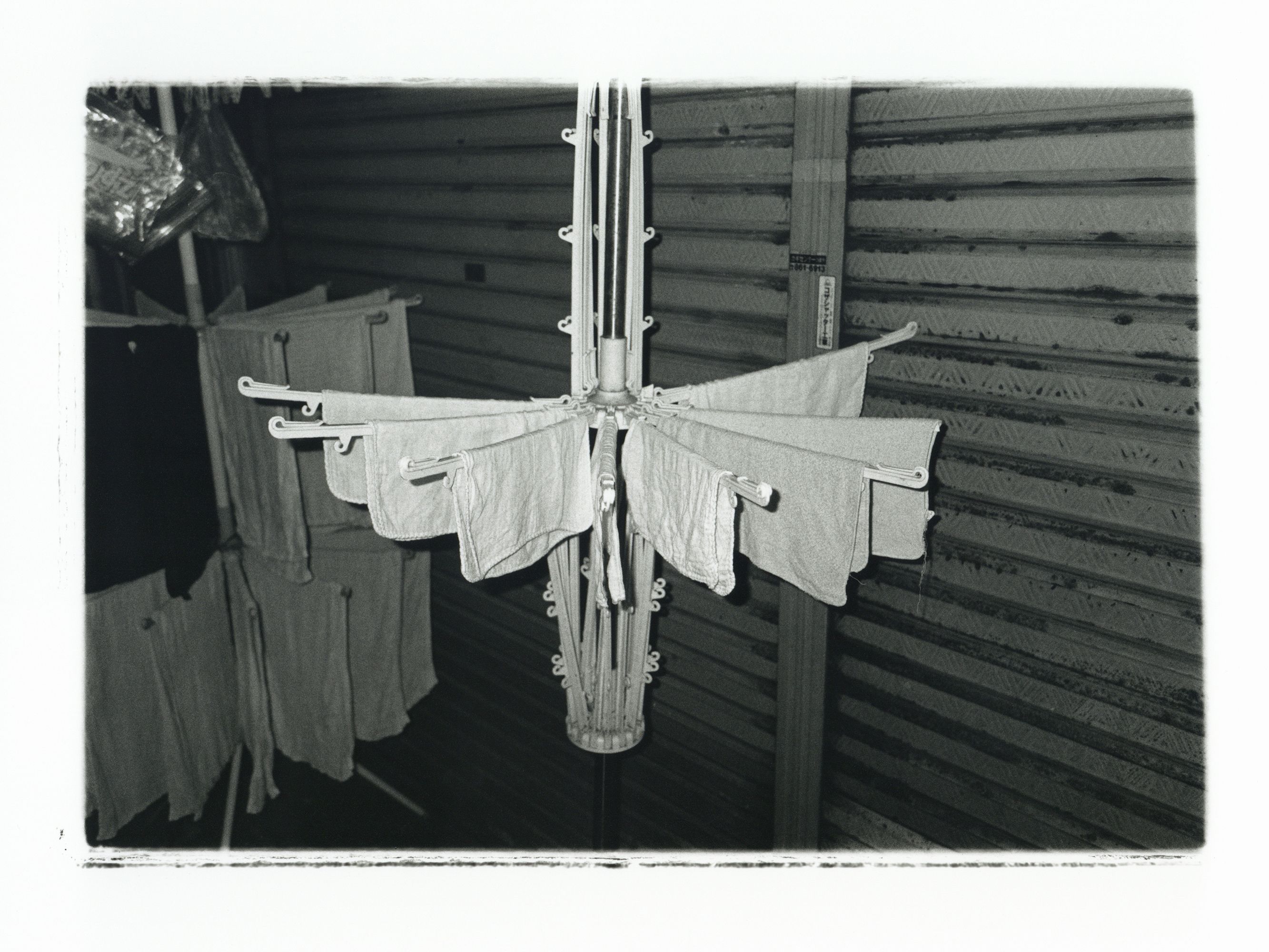
However, I feel there is something worth exploring in the thin line that divides art from fashion. I’ve been wondering if it’s possible for the two to co-exist but separately in the same form. Like a painting hanging in a house, viewed from the garden, through the window. Which is where these images of George taken in Japan sit. They’re simply photos that I’ve taken of my friend and printed in the darkroom. Nothing more, nothing less.
George: I think what’s interesting about Kingsley’s photographs is that there’s this sensitivity that leans beyond commercial content. It’s as you said, the art of the divide. They’re not meant to be erotic and “of the moment.” There’s another aspect to them which is melancholic. When he’s printing them up in Kent and you see the totality of the images, you feel the rawness in them and you can’t put them in a category which is refreshing. And he does make me look good which is always an added benefit!
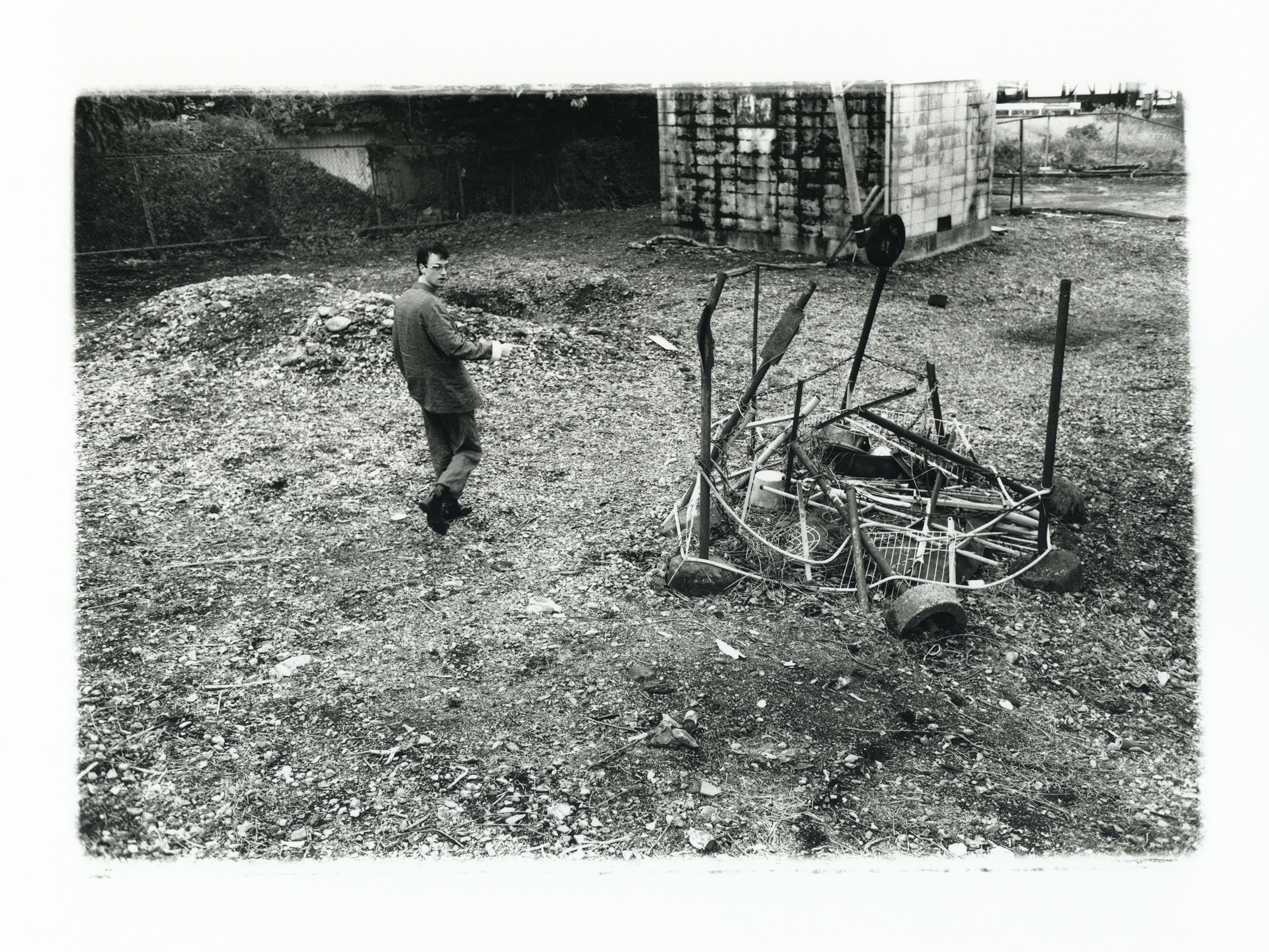
Rahim: Can you both describe your creative processes?
George: As cliché as they may sound, for me it’s just the ability to show up every day. Being in the studio regardless of one’s headspace. Discipline and dedication can create endurance. Also don’t put too much pressure on yourself to get results straight away. Nothing good can come from that.
Kingsley: It changes and in the case of these images, unique silver gelatin prints. Like anything slow, they take time.
Rahim: This is not the first time your creative practices interlude with fashion. What is it that draws you to this specific dialogue between different mediums and how do you think their respective elements can challenge one another?
Kingsley: Completely different worlds. I couldn’t tell you why, but sometimes it feels good to sit on the beach and bang rocks together. Or doing skids on a bike down a hill and hoping that the back tyre doesn’t blow out but secretly wishing it would. “Bad taste is real taste, and good taste is the residue of someone else’s influence”, as the great Dave Hickey once put it.
George: I’ve always liked clothes. I used to do modelling when I was younger. I think the first interesting jacket I bought was a colourful Prada one and it took me a while to figure out how to wear it. I guess it’s all just a matter of confidence. I’ve always been quite there with how I wear clothes or my haircut. It’s important to be comfortable with yourself. From there, you can build your own sense of individuality. When Kingsley’s taking my photographs, he makes me feel like an artist where clothing is secondary to the image, not like an artist where the clothes are wearing him for the sake of commercial equity.
Rahim: George, to what extent do you view your respective practises as Autobiographical in terms of its philosophy and doctrine?
George: I think there can be an element of the artist placing themself in the work. The artist is always there in some capacity. I’d be hesitant to say that my work is entirely autobiographical. I think it’s more about a wider inquiry into the human psyche and how shape and form can generate different emotions. I think my process in about how I go about any of my artistic endeavours is as much (if not more) autobiographical than the work itself. It takes a long time and much sacrifice to put something together. I think when you’re able to dedicate that much time to your work, it can protect its context. You will never feel like you were forced to do something that you weren’t. There’s anarchy in sacrifice.
Rahim: This sense of subversion or non-conformism is evident through your individual practises. Where do you feel this approach has come from and do you feel as though it is related to your experiences as self-taught artists?
Kingsley: You can do whatever you want. Beauty exists without limit or restraint and knows no rules.
Rahim: Kingsley, I’ve always enjoyed your ability to deflect a question with your own philosophical twist. I suppose it’s the allure of enigma.