CALENDAR
Recipes
Our Legacy
Calendar
Recipes
Here we have compiled a list of recipes of the dishes mentioned in this month's issue of Calendar.
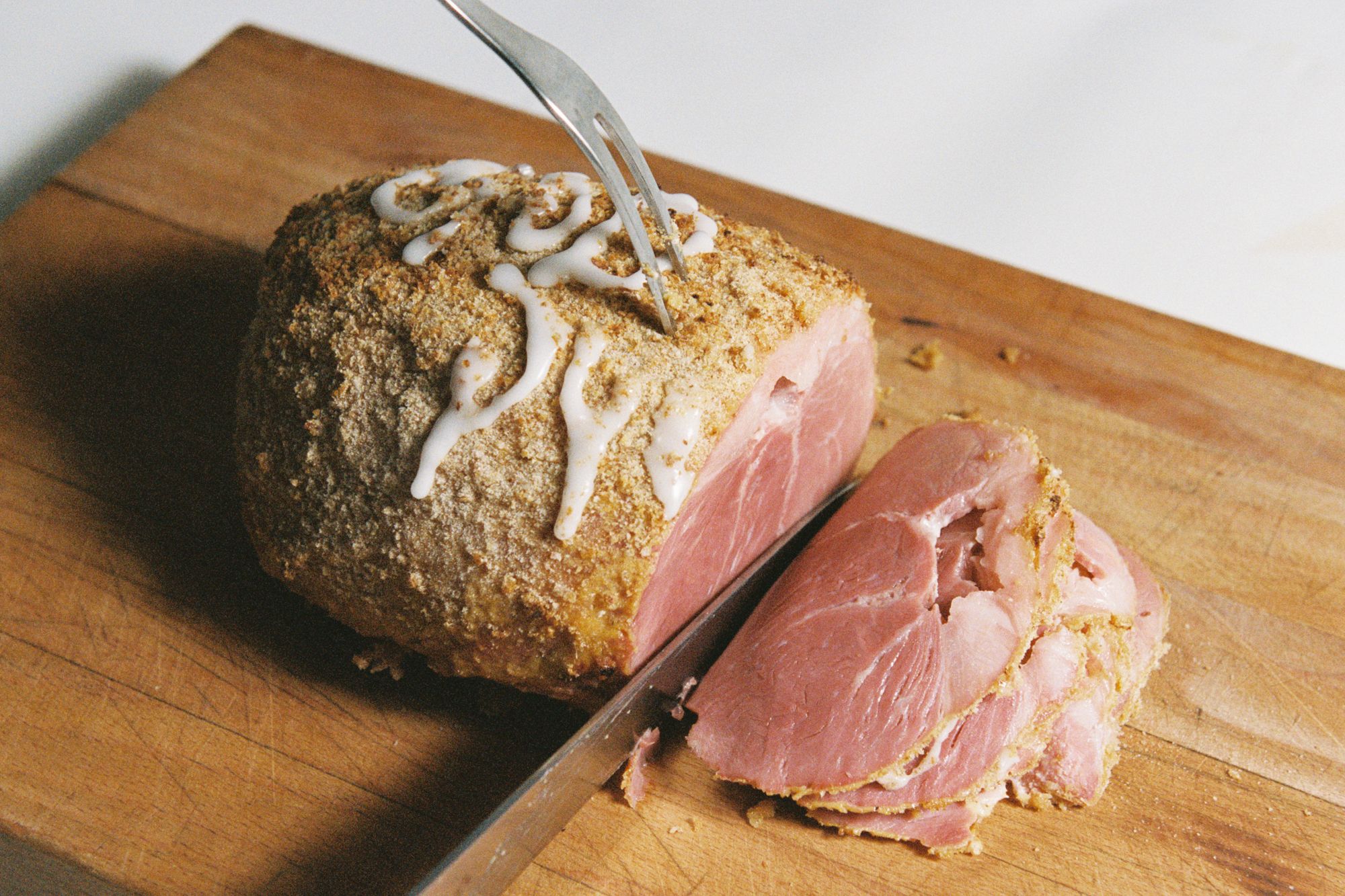
Julskinka (Christmas Ham)
Ingredients
• 1 (7- to 9-pound) fresh unsmoked, salt-cured ham
• 2 large egg yolks
• 1 tablespoon brown sugar
• 6 tablespoons grainy mustard
• 6 tablespoons finely crumbled gingersnaps, or breadcrumbs
Method
1. Position a rack in the upper third of the oven and heat to 350 F.
2. Rinse the ham well to remove any excess salt. Pat dry with paper towels.
3. Place the ham, rind-side up, on a rack in a heavy-duty roasting pan. Roast until the internal temperature on an instant-read thermometer registers 160 F, about 4 1/2 hours.
4. Remove from the oven and increase heat to 450 F.
5. Carefully slice the rind off the ham and reserve.
6. Whisk together the egg yolks, brown sugar, and mustard, and spread evenly over the surface of the ham.
7. Sprinkle with the crumbled gingersnaps or breadcrumbs until evenly coated.
8. Return ham to oven and roast until golden brown, 15 to 20 minutes more.
9. Remove from oven, cover loosely with foil, and let rest for 15 minutes.
10. Carve and serve warm, or let it cool completely and serve at room temperature or cold.
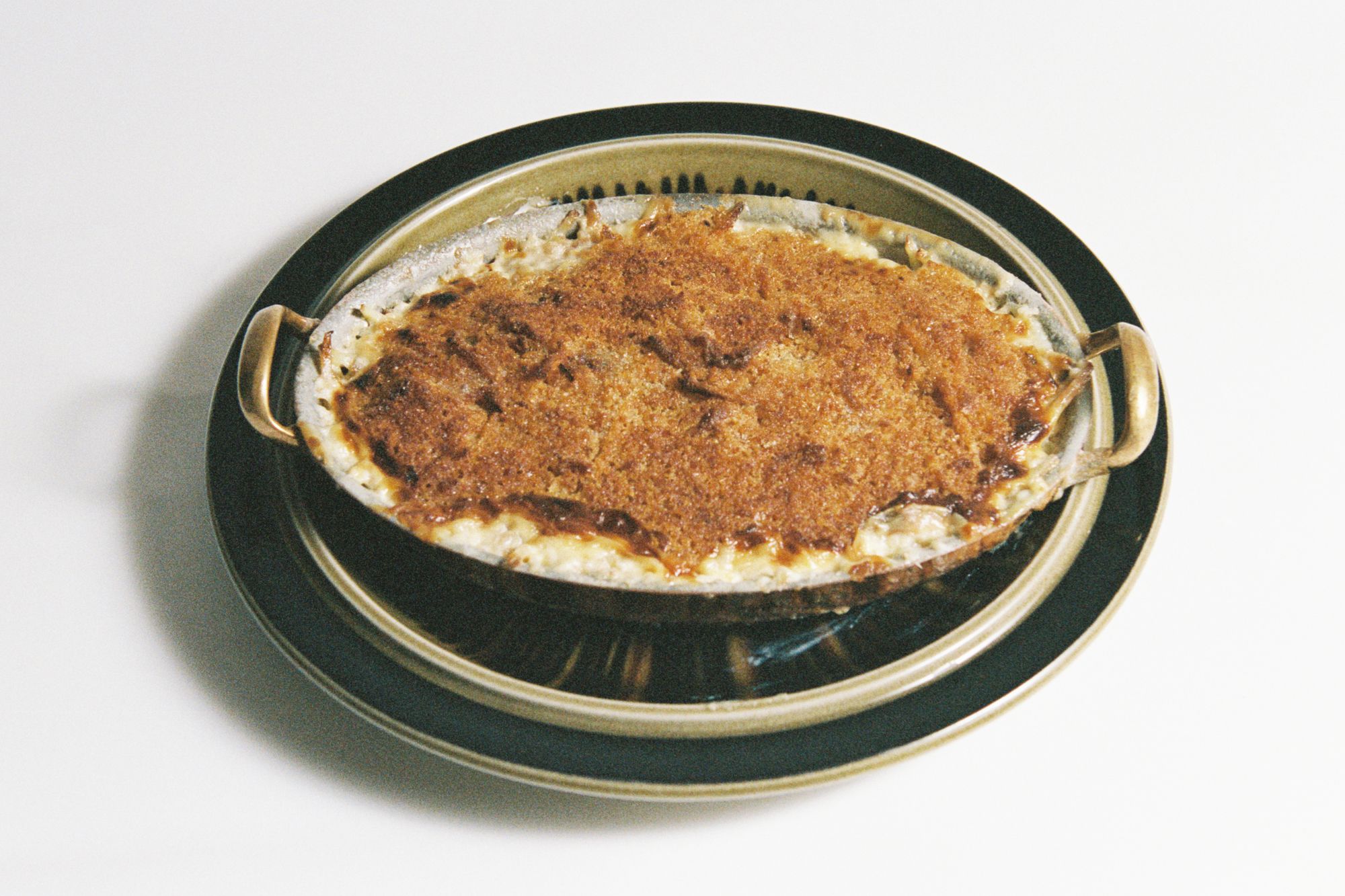
Janssons Frestelse (Janssons Temptation)
Ingredients (6–8 servings)
• 1.2 kg waxy potatoes
• 2 big onions
• 2 tins (125 g) sprat fillets in brine
• 0.5 dl sprat brine
• 5 dl double cream
• 1 pinch of salt
• 2 pinches of black pepper
• 3 tbsp breadcrumbs
• 1 knob of butter, for frying
Method
1. Preheat the oven to 200°C.
2. Peel and thinly slice the onions. Sauté in butter on low heat in a frying pan until soft but not brown.
3. Peel the potatoes and cut them into thin strips.
4. Brush an ovenproof baking dish with butter.
5. Start with a layer of potatoes in the bottom of the dish, then add some of the onion and some sprat fillets. Do a few layers like this and finish off with potatoes and sprats on the top.
6. Pour the cream and the sprat brine over the potatoes. Make sure that the cream doesn’t fully cover the potatoes – leave 1–2 centimetres to the top of the dish (or it will boil over).
7. Bake the casserole in the lower part of the oven for 50–60 minutes, until the potatoes are soft and golden brown.
8. When 10–15 minutes remain, take the Jansson out and sprinkle it with a thin layer of breadcrumbs.
9. Put the casserole back in the oven and let the breadcrumbs turn golden. Let it rest for a while before serving.
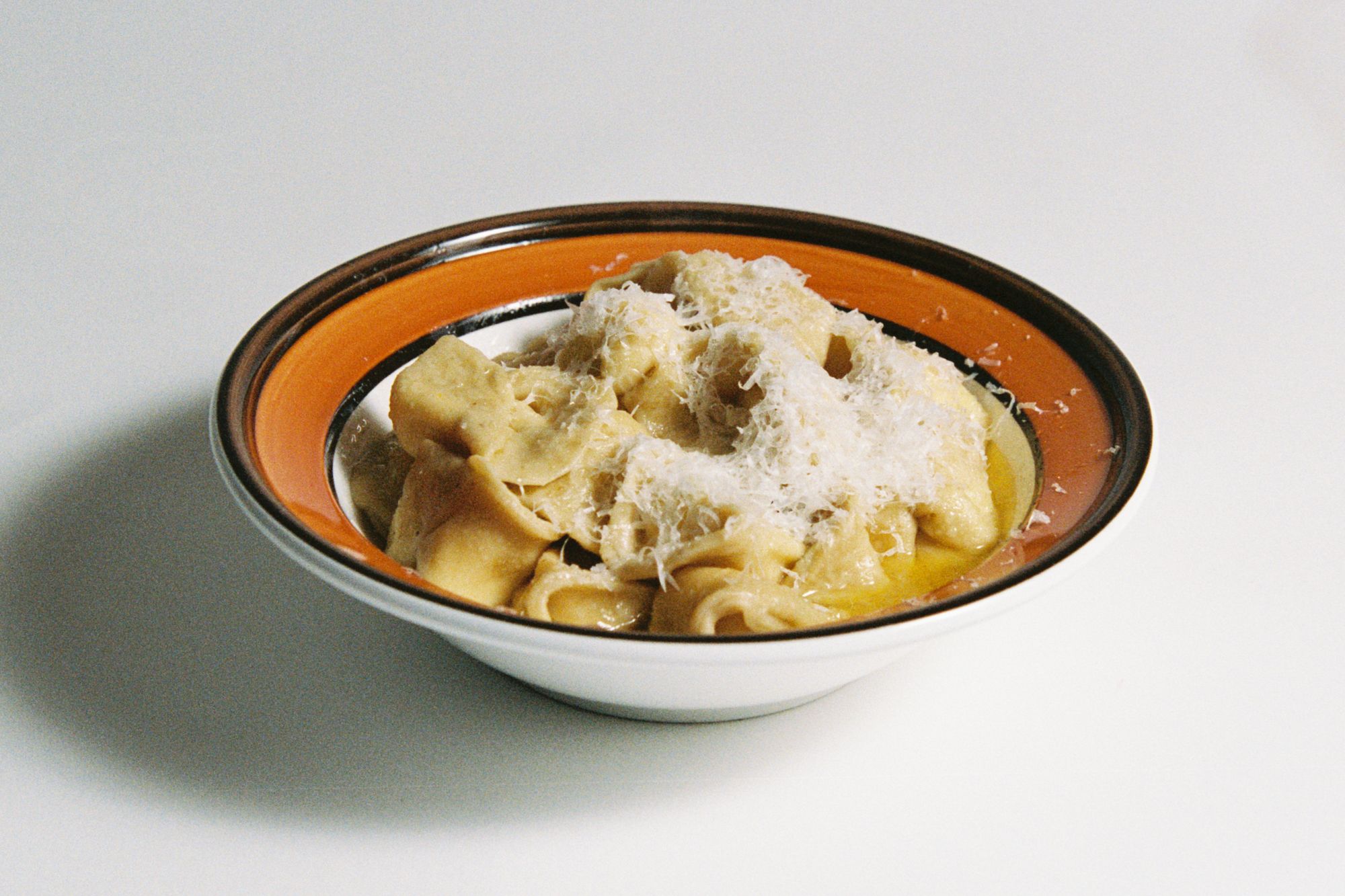
Tortellini in Brodo
Ingredients (6 servings)
Broth
• 600 g of chicken bones
• 3 l water
• 1 onion, peeled and halved
• 1 carrot, peeled
• 1 stick of celery
• 1 potato, peeled
• salt
• Pasta
• 200 g of plain flour, sifted
• 2 eggs
Filling
• 200g of pork loin, finely diced
• 2 tbsp of unsalted butter
• 200g of prosciutto, thinly sliced
• 200g of mortadella, thinly sliced
• 100g of Parmesan, grated
• 2 eggs
• nutmeg, freshly grated
• salt
• freshly ground black pepper
To serve
• Parmesan, grated
Method
1. Begin by making the broth. In a large pot set over a medium heat, combine all the ingredients for the broth. Bring to a gentle simmer and cook for 2 hours, removing any foam that forms on the surface. Allow the broth to cool slightly, then remove the chicken bones and vegetables and pass through a sieve. Reserve to one side.
2. While the stock is simmering, make the pasta dough. On a work surface, form the flour into a well. Crack the eggs into the centre of the well. Whisk the eggs with a fork, incorporating the flour a little at a time, until the dough starts to come together. Carry on with your hands, kneading the dough until you have a smooth, elastic ball. Flatten into a disc, wrap in cling film and leave to rest for 30 minutes in the fridge.
3. While the pasta is resting, make the filling. Melt the butter in a frying pan set over a medium heat. Brown the pork on all sides. Remove from the heat and use a knife to mince it together with the prosciutto and mortadella. Combine the meat with the Parmesan and eggs, then season to taste with salt, pepper and nutmeg.
4. Divide the pasta dough into 3 pieces. Roll the balls out on a pasta machine, starting on the widest setting and moving progressively down to the lowest. Spread the sheets over a floured work surface. Cut each sheet into 3cm squares, then place a small amount of the filling onto each square (about half a teaspoon). Fold the square diagonally in half onto itself to form a triangle, then fold it again so that the corners at the bases come together to form a pocket. While you are forming the pasta, try to squeeze out any air bubbles, as these will expand and burst. Use a little water to seal the pasta together if needed.
5. Once you have sealed all the tortellini, reheat the broth. Season to taste and, once simmering, add the tortellini. Cook for about a minute, then remove from the heat.
6. Divide the tortellini and broth between 6 serving bowls and top with grated Parmesan.
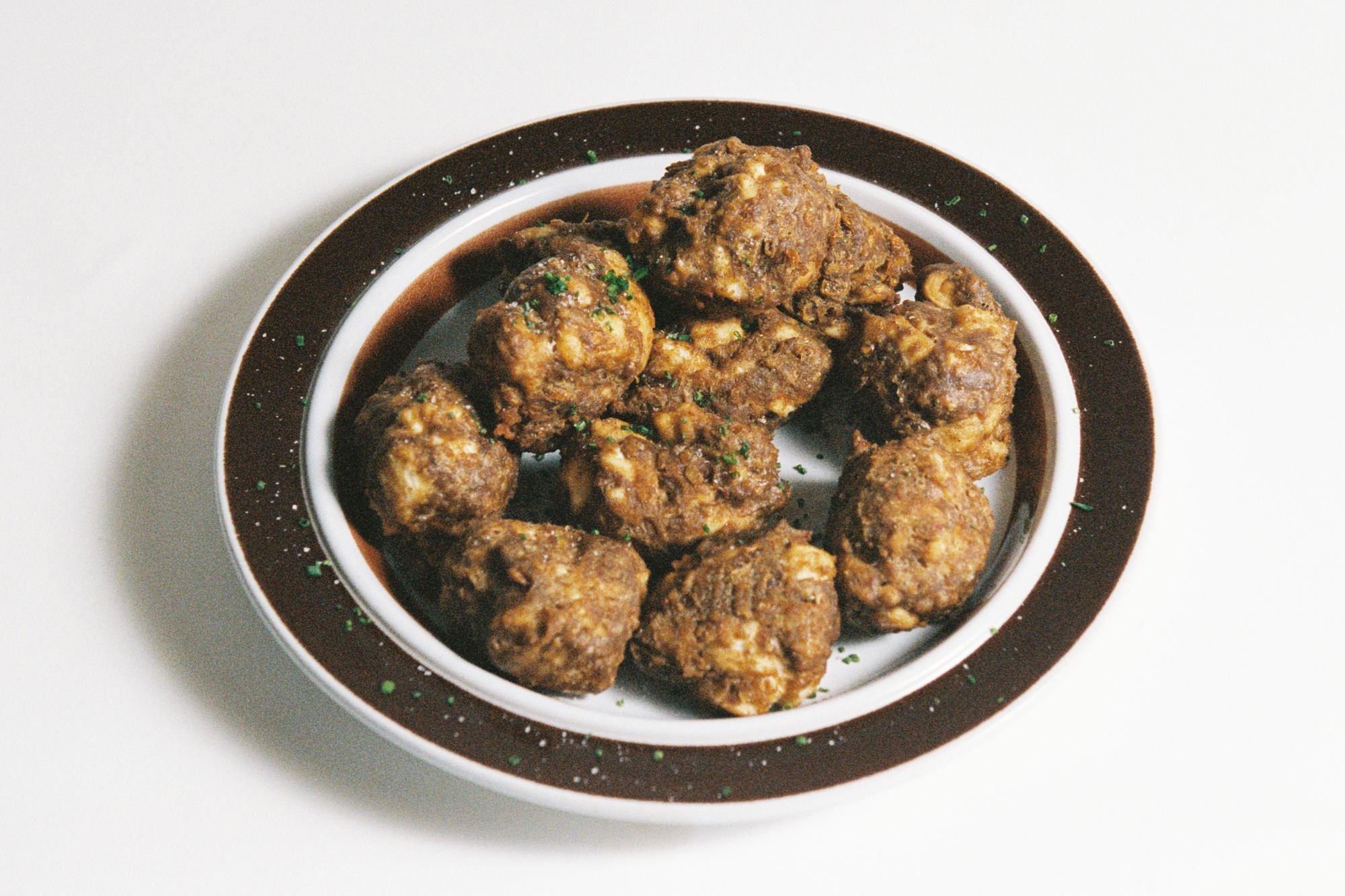
Fish Cakes
Ingredients
• Boneless salt fish/cod fish
• Onion
• Flour
• Baking Powder
• Dry Bajan fish seasoning mix
•Paprika
• Garlic powder
• Dried thyme
• Black and white pepper
•Cayenne pepper
• Nutmeg
Method
1. Mix flour, baking powder, salt and a tiny bit of spices - preferably a dry Bajan fish seasoning mix, but a blend of paprika, garlic powder, dried thyme, black & white pepper, a tiny bit of cayenne, plus a small pinch of nutmeg and clove works too. It’s important to mix the spices into the dry ingredients properly so there are no lumps, and to not use too much - the flavour is meant to stay mild and centred on the fish.
2. Stir in chopped white fish and sautéed, finely chopped onion. Add cold water a little at a time until the batter is thick but still moves - spoonable, not runny, kind of like American pancake batter.
3. Let it rest for about 10 minutes, then fry in hot oil.
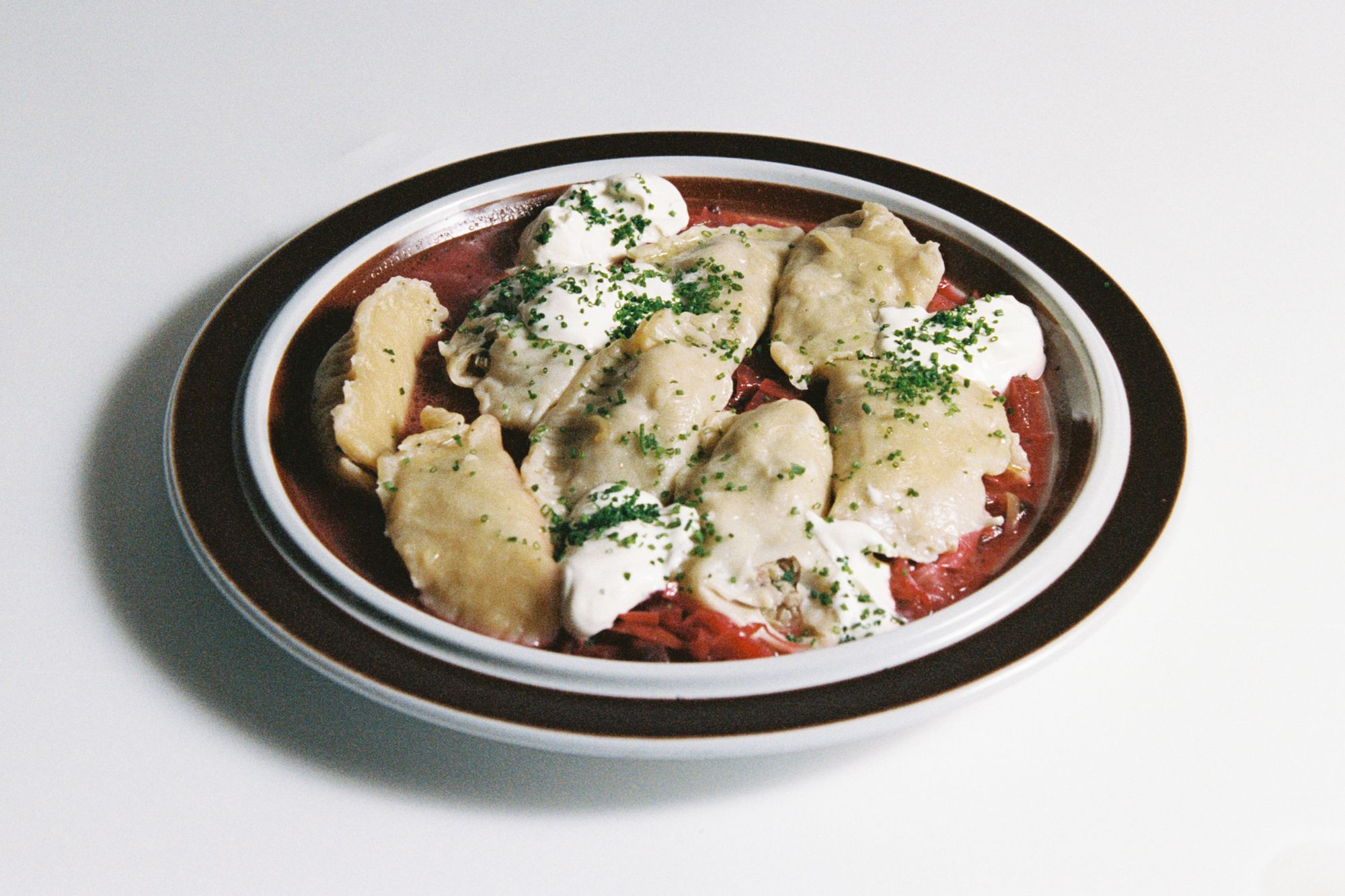
Creamy Pierogi with Barszcz (beetroot soup)
Ingredients
• Dumpling dough
• 500 g of wheat flour
• 250 ml hot water
• 4 tbsp of oil
• 1/2 tsp of salt
Dumpling Stuffing
• 300 g semi-fat cottage cheese
• 1 large onion
• 500 g cooked potatoes
• 2 tbsp of clarified butter
• 1/2 tsp of salt and pepper
Soup
• Beetroots
• Apple
• Carrots
• Celery root
• Parsnip
• Leeks
• Dry porcini mushrooms
• Garlic
• Parsley
Spices
• Bay leaves
• Whole allspice
• Dry marjoram
• Salt
• Pepper
• Sugar
• Lemon juice
• White vinegar
Method
Pierogi
1. Peel approximately 650-700 grams of potatoes and boil them in salted water until tender. Drain the water, dry thoroughly, and mash the potatoes to a puree. You should end up with no more than 500 grams of potato mass. Set the mash aside to cool. Add half a level teaspoon of salt and pepper each to the bowl with the mashed potatoes.
2. Peel and chop a large onion. Add two tablespoons of clarified butter to a heated pan. Add the chopped onion and sauté over medium heat for about 10 minutes.
3. For the filling, you’ll need 300 grams of cottage cheese. The cottage cheese can be ground in a food processor or pressed manually.
4. Combine the potato mass, ground cottage cheese, sautéed onion in butter, salt, and pepper in a bowl. The filling for the pierogi ruskie is now ready.
5. Prepare the dough for the pierogi. Sift the flour into a wide bowl. Add half a teaspoon of salt and four tablespoons of oil, such as rapeseed. Pour in a cup of hot, boiled water and stir the dough with a spoon, then begin kneading it.
6. Form a dough ball, wrap it in foil and set aside for 30 minutes. Unwrap the dough and divide it into three pieces. Set two pieces aside and cover with a cotton cloth to prevent the dough from drying out.
7. Roll out one piece of dough thinly on a pastry board or countertop lightly dusted with flour. Using a cutter approximately 8 cm in diameter, cut out round dumpling shapes.
8. Place the filling for the pierogi (dumplings) in the centre of the dough. Fold the dumplings in half and seal the edges.
9. Place each batch of pierogi in a pot of salted, boiling water. The water should not be bubbling vigorously. Remove the pierogi about 3-4 minutes after they rise to the surface.
10. Drain the cooked pierogi thoroughly and lightly brush them with oil. Top the finished pierogi with clarified butter and sautéed onion.
Soup
1. Place dry mushrooms in a bowl and cover them with hot boiling water. Let them soak for 5 minutes.
2. Peel, wash and cut into chunks your vegetables(carrots, parsnip, celery root, leeks, and parsley)
3. Place your vegetables and your soaked mushrooms in the large pot, cover with water, add a tablespoon of salt, bay leaves, and allspice, and boil for about 30 minutes, uncovered.
4. Prepare beets – peel them and slice in 1/2 inch slices; peel your garlic and slice the apple.
5. Add beets, garlic, apple, and spices (salt, sugar, and marjoram) to the vegetable broth. At this time, add one tablespoon of vinegar and one tablespoon of lemon to preserve the colour of the beets. Cook it for another half hour, uncovered.
6. Add the remaining vinegar, and adjust seasoning with vinegar, salt and pepper, as needed.
7. Discard the vegetables and pour your borscht through the strainer into mugs for drinking or bowls to serve with mushroom pierogi.
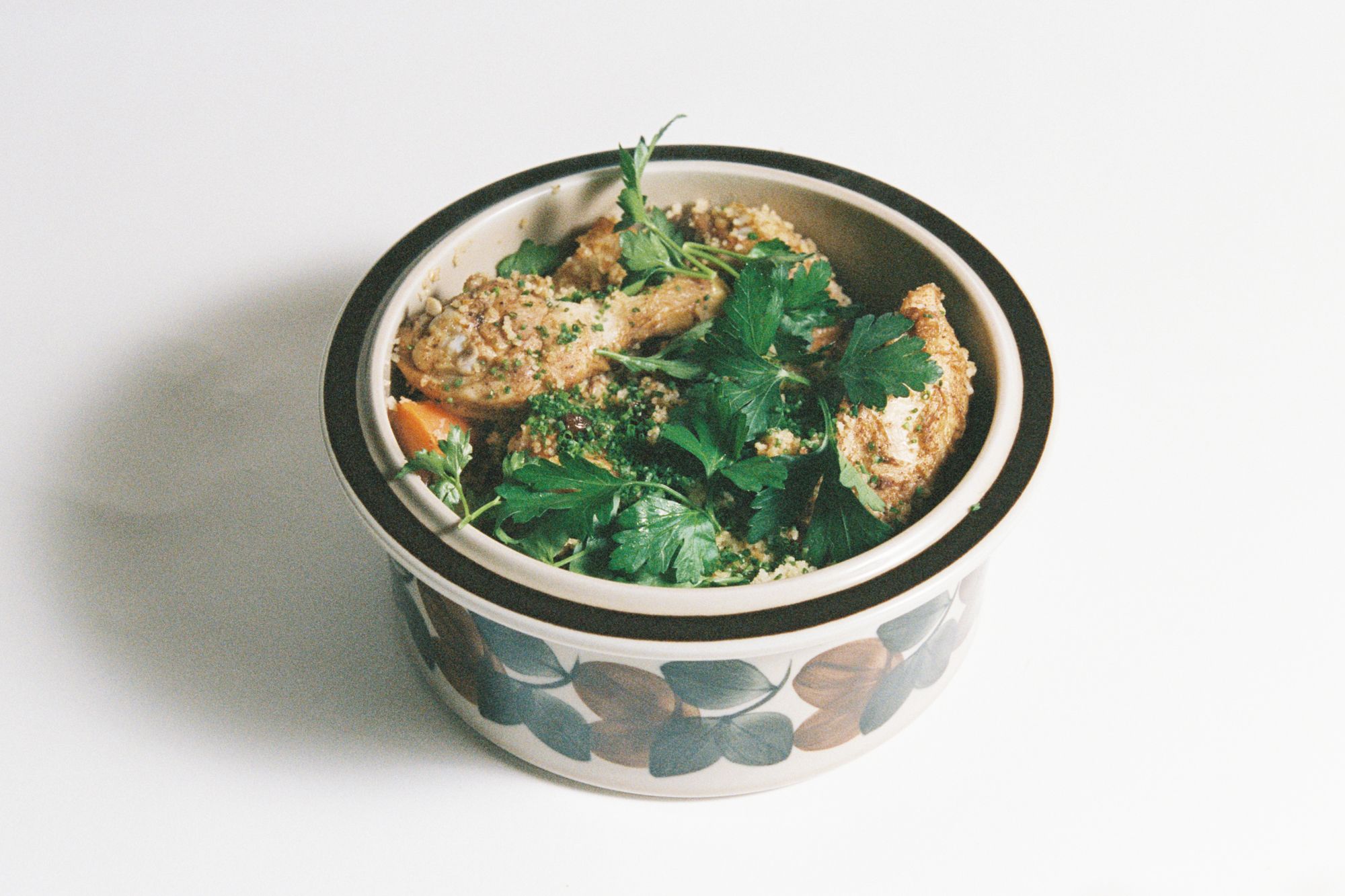
Couscous
Ingredients
Couscous
• 2.2 lb. couscous
• 1/4 cup olive oil or vegetable oil
• 6 cups water
• 2 to 3 tsp salt - (added after 1st steaming)
• 2 tbsp soft butter - (added after final steaming)
Meat and Broth Seasoning
•2.2 lb. lamb, beef, or goat meat, large pieces on the bone - (or 1 large whole chicken)
• 1 large onion, coarsely chopped
• 3 fresh tomatoes, peeled and coarsely chopped
• 1/4 cup olive oil or vegetable oil
• 1 1/2 tbsp salt
• 1 tbsp ginger
• 1 tbsp pepper
• 1 tsp turmeric
• 1 handful parsley and cilantro sprigs, tied into a bouquet
• 2 tsp smen (Moroccan preserved butter)
Traditional Veggies
•1/2 cup dried chickpeas, soaked overnight
• 1 small head of cabbage, cut in half or quartered
• 3 or 4 medium turnips, peeled and cut in half
• 8 to 10 carrots, peeled - (cut in half lengthwise if large)
• 1 or 2 small tomatoes, peeled, seeded and quartered
• 1 or 2 small onions, cut in half
• 1 small acorn squash, quartered - (or wedge of pumpkin)
• 4 or 5 small courgettes, ends trimmed
Optional Veggies
• 2 or 3 chili peppers or jalapeños - (simmer in a little broth or steam until tender)
• 1 cup fresh or frozen fava beans - (add with 2nd steaming)
• 2 or 3 sweet potatoes, peeled and cut in half - (add with 3rd steaming)
• 1 bottle gourd, peeled, cleaned and cut into large pieces - (add with 3rd steaming)
Optional Tfaya - Caramelised Onions and Raisins
• 1/2 cup raisins - soaked in water for 15 minutes
• 2 or 3 large red onions
• 1/2 cup water
• 2 tbsp butter
• 2 tbsp honey
• 1/2 tsp pepper
• 1/2 tsp cinnamon
• 1/4 tsp ginger
• 1/4 tsp turmeric
• 1 pinch saffron threads, crumbled
• 1 pinch salt
Method
Ahead of time
1. Soak the dried chickpeas in a large bowl of water overnight.
2. Wash and prep your vegetables. Start making the (optional) tfaya.
Begin Making the Broth
1. Brown the meat or chicken with the oil, onion, tomatoes and spices in the base of a couscoussier over medium-high heat. Continue cooking, uncovered and stirring frequently, for about 10 to 15 minutes, until a very thick and rich sauce begins to form.
2. Add the soaked, drained chickpeas along with the parsley/cilantro bouquet and about 3 quarters (or litres) of water. Bring to a boil, cover, and cook over medium heat for about 30 minutes.
First Steaming of the Couscous
1. Drizzle 1/4 cup of oil over the couscous. Toss and roll the couscous around between your hands for a minute to distribute the oil evenly and break up any balls or clumps.
2. Add 1 cup of water and work it into the couscous in the same way - tossing and rubbing the couscous until all is well blended and there are no clumps.
3. Transfer the couscous to a lightly oiled steamer basket, taking care not to compress the grains in the process. Place the basket on the couscoussier and steam for 15 to 20 minutes, timing from when the steam first appears over the couscous.
Second Steaming of the Couscous
1. Turn the couscous back into your bowl. Allow it to cool briefly, then work in 1 cup of water, using the same tossing and turning as you did before.
2. Add the salt in the same manner, then add another 1 cup of water. Toss and roll and rub the couscous with your hands for a good minute or two, again making sure there are no balls.
3. Transfer the couscous back to the steamer basket, again taking care not to compress or pack the grains.
4. Add the cabbage, onions, tomatoes (and fava beans, if using) to the couscous pot, then place the couscous basket on the couscoussier. Steam for 15 to 20 minutes, timing from when you first see steam emerge from the couscous.
Third and Final Steaming of the Couscous
1. Turn the steamed couscous out into your bowl.
2. Add the turnips and carrots to the pot; cover and allow them to cook for 15 minutes while you work with the couscous.
3. In increments, work 2 to 3 cups of water or milk into the couscous in the same manner as before, tossing and turning and rubbing the grains between your hands and making sure there are no clumps. Use only as much water or milk as needed to make the couscous al dente.
4. Taste the couscous for salt and add a little more if desired. Transfer half of the couscous to the steamer basket, again being careful not to pack the grains.
5. Add the remaining vegetables to the pot - the squash or pumpkin, the courgette and the sweet potatoes if using. Top with a little water if the level has dropped below the vegetables. Taste and adjust seasoning.
6. Place the couscous basket back on the pot and cook until steam begins to emerge from the couscous. Gently add the remaining couscous to the basket and continue cooking. Once you see steam rise from the couscous, allow it to steam for another 10 to 15 minutes, or until light and fluffy, and the latest additions of vegetables have cooked.
Serving the Couscous
1. Turn the couscous out into your bowl and work in the butter.
2. Add the smen (if using) to the broth in the pot and swirl to incorporate.
3. Work about 1 cup of broth into the couscous, tossing as you did before. Arrange the couscous into a large, shallow mound in your bowl or on a deep serving platter. Make a large indentation in the middle to hold the meat.
4. Retrieve the meat from the pot and place in the centre of the couscous. Top it with the cabbage and squash or pumpkin. Retrieve the other vegetables from the broth with a slotted spoon and arrange all around meat (in pyramid fashion, if you like). Garnish with the chickpeas (and/or fava beans), chilli peppers and the bouquet of parsley.
5. Drizzle several cups of broth over the couscous. Offer the remaining broth in bowls on the side.
6. Tfaya (optional) can be used as a garnish or served on the side.
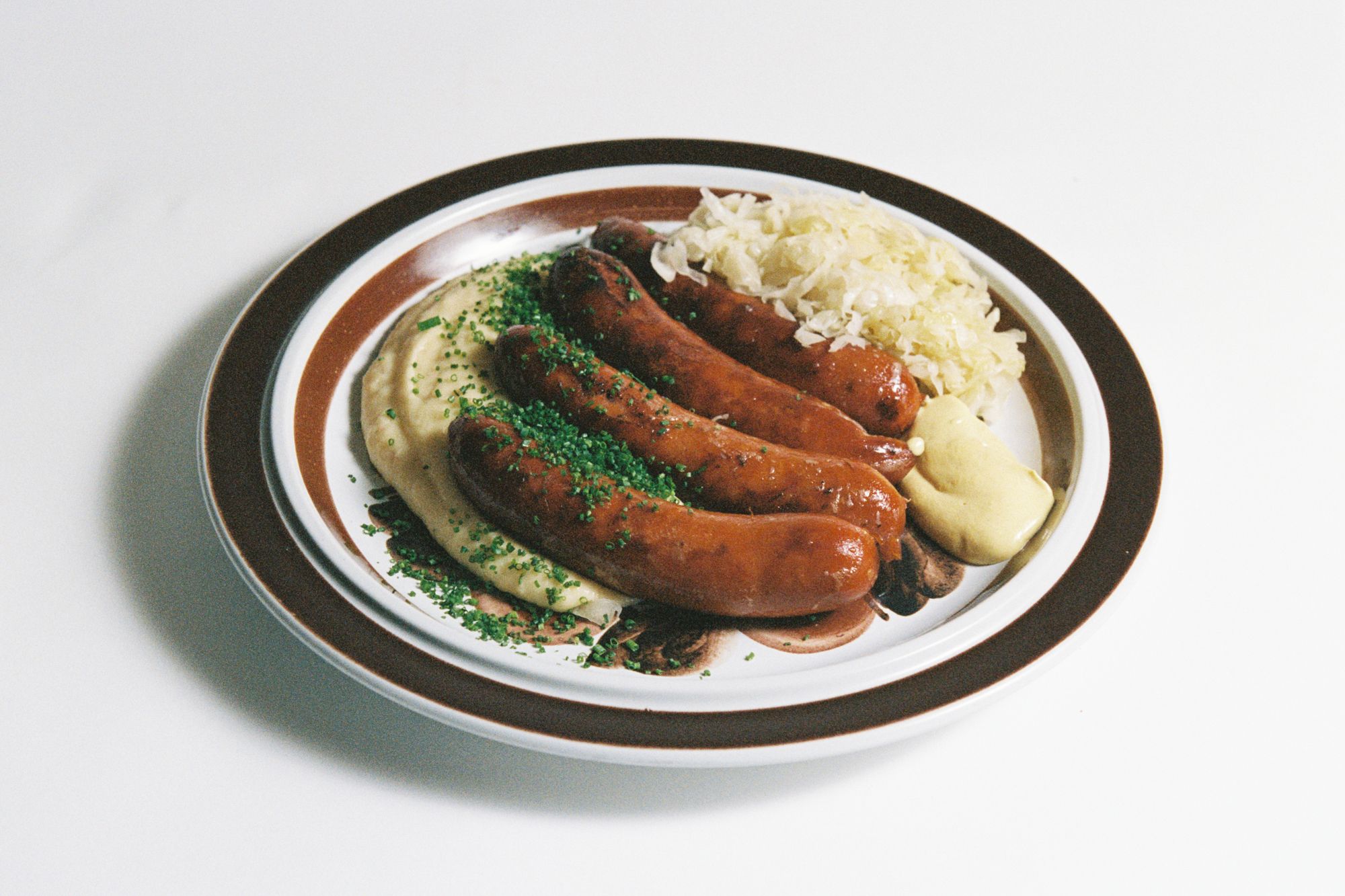
Bratwurst and Sauerkraut
Ingredients
• ⅛ teaspoon celery seeds
• ⅛ teaspoon caraway seeds
• 1 (12 fluid ounce) can or bottle lager beer
• 1 tablespoon light brown sugar
• 2 teaspoons dry mustard powder
• 1 teaspoon onion powder
• ⅛ teaspoon ground black pepper
• ⅛ teaspoon dried dill weed
• 1 pound fresh bratwurst sausages
• 1 pound sauerkraut (preferably barrel-aged),
• drained
Method
1. Crush celery seeds and caraway seeds with a mortar and pestle until ground.
2. Mix beer, brown sugar, dry mustard, onion powder, pepper, dill, and crushed seeds together in a bowl until the brown sugar is dissolved.
3. Place brats into a large nonstick skillet over medium heat. Pour beer mixture over top and bring to a boil. Reduce the heat to low, cover, and simmer for 10 minutes.
4. Uncover and increase the heat to medium. Boil the sauce until it reduces to a thick, syrupy liquid, about 20 minutes. Tilt the skillet to roll brats in the sticky sauce until thoroughly coated. Transfer brats to a plate and cover to keep warm.
5. Add sauerkraut to the skillet and stir to combine with any leftover sauce; cook for 5 to 8 minutes. Transfer sauerkraut to a serving platter and top with warm brats.
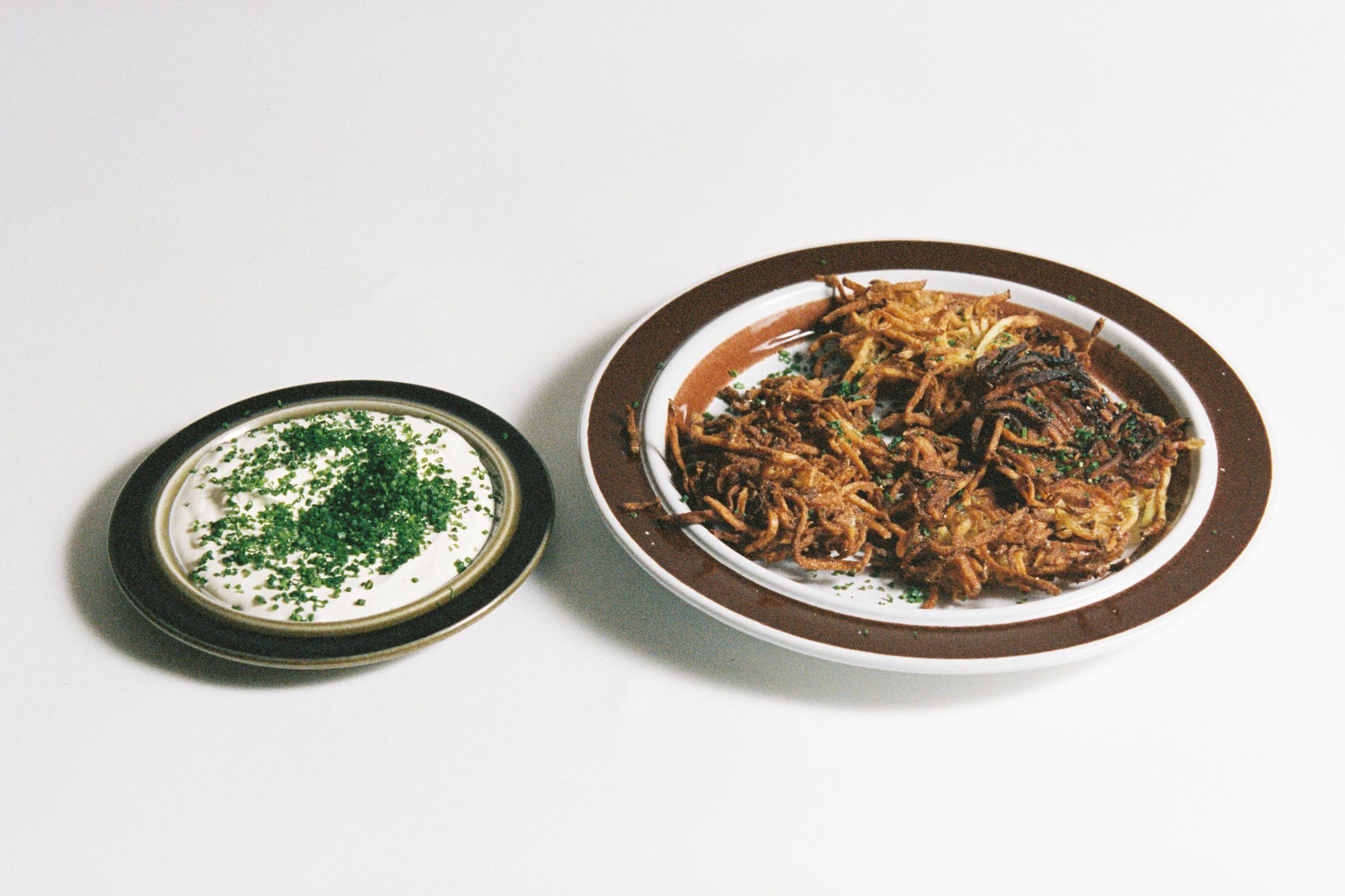
Latkes
Ingredients
• 2 large Russet potatoes, scrubbed and cut into quarters
• 1 large onion, peeled and cut into quarters
• 2 large eggs
• ½ cup all-purpose flour
• 1 teaspoon fine sea salt
• 1 teaspoon baking powder
• ½ teaspoon freshly ground black pepper
• Safflower or other oil, for frying
Method
1. Using a food processor, grate the potatoes and onion. Transfer the mixture to a clean dishcloth and squeeze out as much of the liquid as possible.
2. Transfer the mixture to a large bowl. Add the eggs, flour, salt, baking powder and pepper, and mix until the flour is absorbed.
3. In a medium heavy-bottomed pan over medium-high heat, pour in about ¼ inch of the oil. Once the oil is hot, use a tablespoon to drop the batter into the hot pan, cooking in batches. Use a spatula to flatten and shape the drops into discs.
4. When the edges of the latkes are brown and crispy, after about 5 minutes, flip. Cook until the second side is browned, about another 5 minutes.
5. Transfer the latkes to a paper towel-lined plate to drain and sprinkle with salt while still warm.

KFC Style fried chicken
Ingredients
Marinade
• 1 chicken cut up into 8-10 pieces (skin left on)
• 2 cups buttermilk
• 1/2 tsp. garlic paste
• 1/2 tsp. ginger paste
• 1 tsp. salt
• 1 tsp. black pepper powder
• 1 tsp. mixed dried herbs of your choice oregano, thyme, rosemary, sage
• 1 tsp. red chilli powder or cayenne pepper optional
Other Ingredients
• 1 1/4 cups all-purpose flour/plain flour
• 1/2 cup cornflour
• 2-4 tbsp breadcrumbs or crushed cornflakes optional
• 1 tsp. baking powder
• 1 tsp. salt
• 1 tsp. paprika powder
• 1 tsp. red chilli powder or cayenne pepper
• 1/2 tsp. black pepper powder
• 1/2 tsp. garlic powder
• 1/2 tsp. onion powder
• 1 egg + 2 tbsp. milk + 2 tbsp any hot chilli sauce
• oil for deep frying
Method
1. Marinate the chicken in the marinade ingredients overnight.
2. Remove the chicken pieces from the marinade and blot them a little bit with kitchen towels. Do not rinse them as that will wash away the flavours that have built up during the marination. Set aside on a sieve until they come to room temperature.
3. In a wide plate, mix the flour, cornflour, breadcrumbs/cornflakes, baking powder, salt, paprika, chilli/cayenne, black pepper, garlic powder and onion powder. This will be your seasoned ‘dredging’ flour. In a second plate, whisk the egg with the milk and the hot chilli sauce.
4. Prepare a rack on which you will place the chicken pieces to rest after coating, and another raised one lined with some kitchen tissues/towels on which you will remove the chicken after frying.
5. Dip each chicken piece first in the beaten egg, then roll it in the seasoned flour. You can repeat if you want a thicker coating, one more time in the egg and then in the flour. Place on a rack and continue until all the chicken pieces are coated and resting on the rack. Let them rest for about 5 minutes so that the coating holds properly to the chicken.
6. You can now heat oil in a deep pan. Make sure your oil is to the right temperature. Use a thermometer if you have one (350 F or 177 C); if not, you’ll know the oil is hot enough when it browns a bit of bread in under 30 seconds.
7. Gently, place the chicken pieces into the hot oil, making sure not to overcrowd it. Fry on medium heat for a total of about 12-15 minutes, turning the pieces over once in between.
8. Remove the chicken onto the wire rack lined with kitchen towels. This will ensure the chicken remains crispy all around and any excess oil will get blotted off at the same time.
9. Allow the chicken to cool for about 10 minutes and then serve.
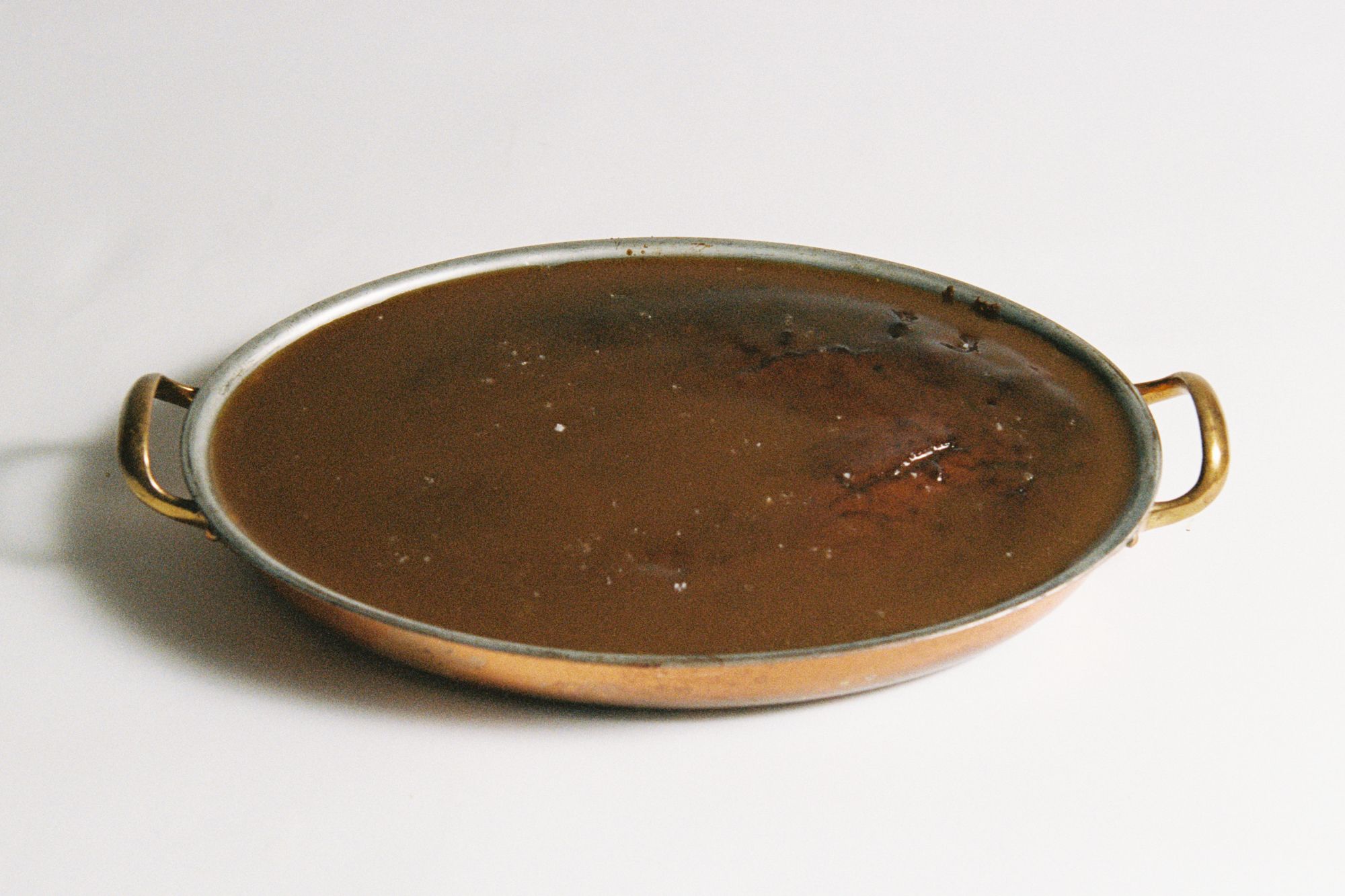
Sticky Toffee pudding
Ingredients
For the sponge
• 175g/6oz dates, chopped
• 1 rounded tsp bicarbonate of soda
• 50g/2oz salted butter
• pinch salt
• 75g/2½oz demerara sugar
• 75g/2½oz molasses sugar
• 2 free-range eggs
• 175g/6oz self-raising flour
• 1 tsp vanilla extract
• butter, for greasing
For the Sticky Toffee topping
• 250ml/9fl oz double cream
• 80g/3oz butter
• 80g/3oz molasses sugar
For the extra sauce
• 300ml/10fl oz whipping cream
• 50g/2oz molasses sugar
• 50g/2oz salted butter
• double cream, to serve
Method
1. Preheat the oven to 180C/350F/Gas 4.
2. Pour 275ml/10fl oz boiling water into a large mixing bowl and add the dates. Stir and set aside until lukewarm. Meanwhile, measure out all the other ingredients for the sponge. Add them to the dates and water and mix together until well combined.
3. Blend the date mixture in a food processor until nearly smooth, but with a few specks of date still visible. Generously butter a baking dish on all surfaces and pour in the sponge batter. Bake for 40 minutes, or until just firm to the touch.
4. Preheat the grill to medium.
5. Meanwhile, make both the topping and the extra sauce by heating the ingredients gently in separate pans, whisking regularly, until they briefly boil. Pour the topping over the cooked pudding.
6. Place the sticky toffee pudding under a moderate grill until bubbling.
7. To serve, spoon the pudding into individual bowls and pour around the extra sauce.